Start GCSE English Tuition Early for Success
GCSE English Tuition, Year 10 Preparation, Exam Techniques

Why Starting GCSE English Tuition in September of Year 10 Sets You Up for Success
If you have a child heading into Year 10, you’re probably already hearing a lot about GCSEs, mock exams, and revision plans. It can feel early to think about extra support, but beginning GCSE English Tuition in September of Year 10 is one of the most powerful ways to make the next two years calmer, more confident, and ultimately more successful.
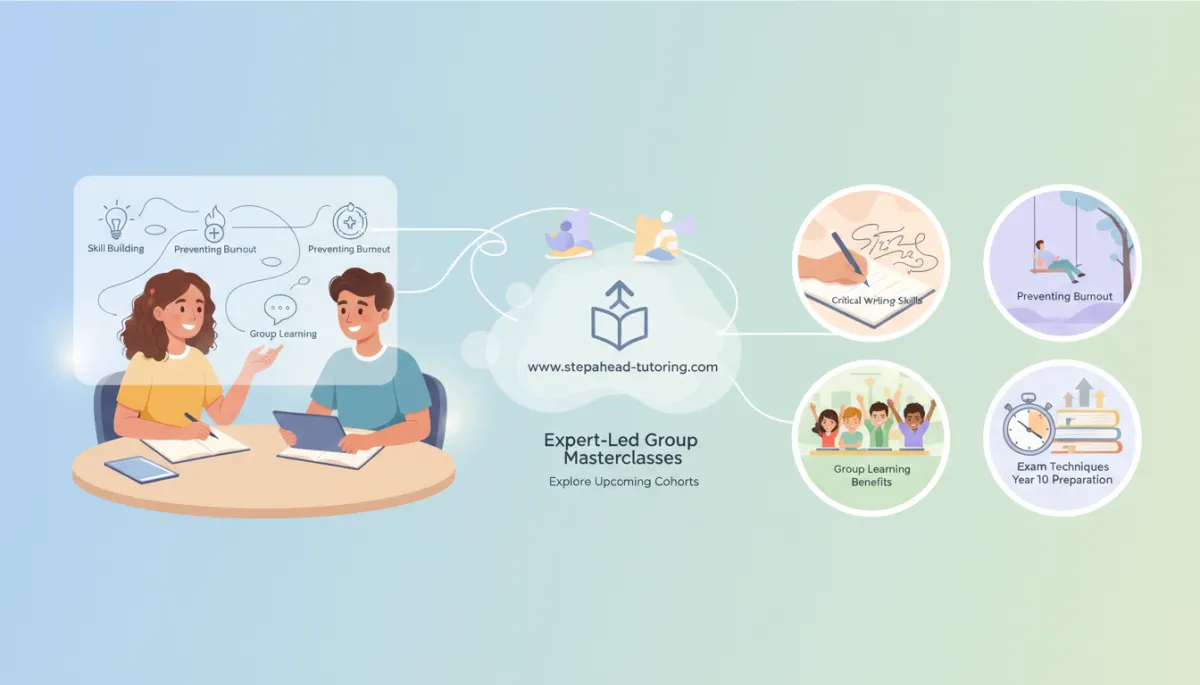
In this guide, we’ll explore why early Year 10 Preparation for English makes such a difference, how it supports critical writing skills and exam techniques , and why expert-led group learning can be a game-changer. We’ll also look at how group masterclasses from www.stepahead-tutoring.com can help your child feel ready, not rushed, when Year 11 arrives.
Start GCSE English Tuition Early for Success
Why Starting GCSE English Tuition in September of Year 10 Sets You Up for Success
Why September of Year 10 Is the Perfect Time to Begin
The Benefits of Early Preparation for GCSE English
1. Turning Confusion into Clarity
2. Spreading the Workload Sensibly
Building Strong Critical Writing Skills from Day One
Preventing Year 11 Burnout Before It Starts
How Early Support Protects Energy and Motivation
Boosting Classroom Confidence and Participation
The Power of Group Learning: Why Masterclasses Work So Well
Group Learning Benefits for GCSE English
Mastering Exam Techniques Without the Panic
How StepAhead’s Expert-Led Group Masterclasses Support Year 10 Students
What Starting in September of Year 10 Really Gives Your Child
Ready to Help Your Child Get Ahead? Explore Upcoming Cohorts
Why September of Year 10 Is the Perfect Time to Begin
Starting GCSE English Tuition right at the beginning of Year 10 gives students something they rarely get at school: time and breathing space . Instead of cramming everything into the final months of Year 11, they can build skills steadily, revisit tricky areas, and grow in confidence at a comfortable pace.
In September, the pressure hasn’t fully kicked in. Students are still adjusting to new classes, new teachers, and a more serious tone in school. This makes it the ideal moment to add structured support—before stress levels rise and bad habits become fixed. Early tuition becomes a gentle guide rather than an emergency fix.
💡 Friendly Insight: Think of September Year 10 tuition as laying the foundations of a house. It’s much easier to build strong walls later if the base is solid from the very start.
The Benefits of Early Preparation for GCSE English
Early Year 10 Preparation doesn’t just mean “starting revision earlier.” It means giving students time to understand what’s expected of them, to practice key skills, and to develop the confidence they need to tackle any exam question calmly. Here are some of the biggest benefits of getting ahead with GCSE English Tuition in Year 10.
1. Turning Confusion into Clarity
Many students start Year 10 unsure about what GCSE English actually involves. There are two papers for Language, two for Literature, different question styles, and a lot of new terminology. With expert guidance early on, students can get a clear picture of the journey ahead, so nothing feels mysterious or overwhelming later on.
2. Spreading the Workload Sensibly
When preparation starts early, learning becomes a series of small, manageable steps instead of a frantic dash at the end. Students can:
Review core skills like reading comprehension and paragraph structure gradually
Practice exam-style questions without the pressure of an imminent test
Build familiarity with mark schemes and what examiners are looking for
This gentle, consistent approach is far kinder on students’ wellbeing and much more effective for long-term memory.
Building Strong Critical Writing Skills from Day One
One of the biggest advantages of early GCSE English Tuition is the chance to build Critical Writing Skills over time. These are the skills that help students move from “I know the story” to “I can explain what the writer is doing and why it matters.”

Soft of a close-up of a student’s notebook with neatly highlighted quotes, planner with exam...
Regular, low-pressure practice in Year 10 turns analysis and planning into natural habits.
In expert-led group masterclasses, students can practice skills such as:
Analyzing language techniques and explaining their effects clearly
Structuring essays with clear introductions, well-developed paragraphs, and purposeful conclusions
Comparing texts thoughtfully, rather than simply listing similarities and differences
Crafting creative and transactional writing that is engaging, accurate, and well-organized
These skills take time to master, which is why beginning in September of Year 10 is such a smart move. Instead of rushing through essay techniques in a few stressed-out weeks, students can revisit and refine them across multiple terms, seeing clear improvement in both their schoolwork and their mock exams.
💡 Friendly Tip: Ask your child to keep a simple “skills log” from the start of Year 10—each week, they jot down one writing skill they’ve improved. It’s a great way to see progress and stay motivated.
Preventing Year 11 Burnout Before It Starts
One of the most common worries parents share is how exhausted their children become in Year 11. Multiple subjects, constant assessments, and the emotional weight of GCSEs can quickly lead to burnout . Early GCSE English Tuition is a powerful way of preventing burnout rather than trying to fix it later.
How Early Support Protects Energy and Motivation
Less last-minute pressure: By the time Year 11 begins, students who started tuition in Year 10 already have strong foundations. They can focus on polishing exam techniques rather than learning everything from scratch.
More balanced revision: If English feels under control, students have more time and mental space to focus on other subjects without feeling overwhelmed.
Steady confidence: Regular small successes—like improving a paragraph or gaining a grade in a mock—keep students motivated and reduce the anxiety spikes that often cause burnout.

Soft of a relaxed Year 11 student checking a to-do list with many tasks already ticked off,...
Early Year 10 preparation makes Year 11 feel manageable instead of overwhelming.
At StepAhead Tutoring , group masterclasses are designed with wellbeing in mind. Sessions are focused, friendly, and structured to support gradual progress. This approach not only strengthens grades but also helps students stay emotionally steady during what can be a demanding time.
Boosting Classroom Confidence and Participation
Confidence in the classroom can make a huge difference to how students experience English. When they understand the texts, know how to approach questions, and feel safe making mistakes, lessons become far more enjoyable—and far more productive.
Early GCSE English Tuition supports this by giving students a space to:
Ask questions they might feel shy asking in a large classroom
Practice explaining their ideas out loud in a smaller, supportive group
Receive constructive feedback that shows them exactly how to improve, step by step
As their skills grow, so does their willingness to contribute in school. Hands go up more often, answers become more detailed, and students start to feel like active participants rather than passengers in their English lessons. This boost in classroom confidence often spills over into other subjects too, making the overall school experience more positive.
💬 Parent Perspective: Many families notice that once their child feels more confident in English—a subject that touches reading, writing, and speaking—their self-belief improves across the board.
The Power of Group Learning: Why Masterclasses Work So Well
While one-to-one tuition can be helpful, there’s something uniquely powerful about group learning for GCSE English—especially in Year 10. Carefully designed groups give students the best of both worlds: expert guidance and the energy, ideas, and reassurance that come from learning alongside others.

Soft of a small group of students around a table, each with open books and sticky notes,...
Group learning lets students share ideas, compare approaches, and grow together.
Group Learning Benefits for GCSE English
Shared ideas: Hearing how other students interpret a poem or analyze a character can spark new insights and deepen understanding.
Normalizing challenges: When students realize others find certain questions tricky too, they feel less alone and more willing to persevere.
Healthy motivation: Working alongside peers can gently encourage students to stay focused, complete homework, and push themselves a little further.
Real-world communication skills: Discussing texts, explaining opinions, and listening to others are all valuable beyond exams—they’re life skills.
At www.stepahead-tutoring.com , expert-led group masterclasses are intentionally small and focused. This means every student gets personal attention, but still benefits from the dynamic, encouraging atmosphere that only a group can provide. Tutors guide discussions, model high-quality answers, and help students learn from one another in a structured, supportive way.
Mastering Exam Techniques Without the Panic
Even students who are strong readers and writers can lose marks in GCSE English if they’re not confident with exam techniques . Understanding the question, planning quickly, managing timing, and hitting the right assessment objectives are all skills in their own right—and they’re much easier to master when there’s no looming exam date hanging over a student’s head.
Starting in September of Year 10 allows plenty of time to:
Break down each question type and understand exactly what it is asking for
Practice timed responses in a calm, supportive environment before doing them in real exams or mocks
Learn simple planning strategies that save time and keep answers focused
Understand common examiner expectations and avoid easy-to-fix mistakes
📌 Key Takeaway: Exam techniques are like the “user manual” for all the skills students already have. The sooner they learn how to apply those skills effectively, the more marks they can unlock.
How Step Ahead’s Expert-Led Group Masterclasses Support Year 10 Students
Choosing the right support matters. At StepAhead Tutoring , GCSE English group masterclasses are designed specifically with Year 10 students in mind. The goal is not just to “get through” the content, but to build understanding, resilience, and genuine confidence over time.
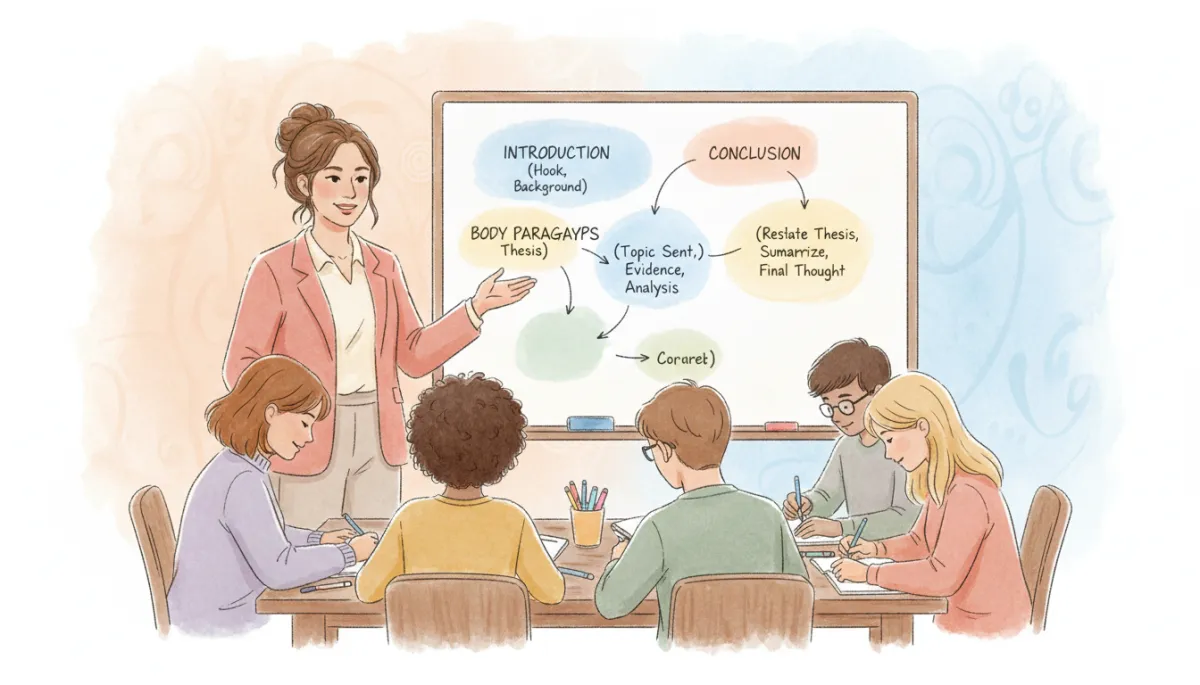
Soft of an experienced tutor standing by a whiteboard with a clear essay structure diagram,...
Expert-led masterclasses turn tricky exam criteria into clear, manageable steps.
In these masterclasses, students can expect:
Clear, structured teaching that breaks down complex ideas into understandable chunks
Targeted practice on key GCSE English skills, including close analysis, comparative writing, and creative tasks
Friendly feedback that highlights strengths while giving specific, practical next steps for improvement
Supportive peers who are working toward the same goals, creating a sense of shared progress rather than competition
Because the groups are led by experienced GCSE English specialists, students benefit from up-to-date knowledge of exam boards, question trends, and effective revision strategies. This means they’re not just practicing more—they’re practicing smarter .
What Starting in September of Year 10 Really Gives Your Child
When you bring all these elements together—early preparation, skill building, burnout prevention, confidence boosting, and the power of group learning—the benefits are clear. Starting GCSE English Tuition in September of Year 10 gives your child:
A calm, structured path through two important school years, rather than a stressful scramble at the end
Time to develop and refine critical writing skills that will help in every essay-based subject, not just English
Protection against Year 11 burnout by spreading the workload and building confidence early
Stronger classroom confidence , making lessons more engaging and productive
The motivational and emotional support that comes from high-quality group learning with expert tutors
Ready to Help Your Child Get Ahead? Explore Upcoming Cohorts
If your child is about to start Year 10, now is the ideal moment to put a gentle, supportive structure in place for GCSE English. Rather than waiting until mocks or the start of Year 11, you can give them the gift of time: time to grow, to practice, to ask questions, and to feel genuinely ready when exam season arrives.
Step Ahead’s expert-led group masterclasses are specifically designed to make this journey smoother. With a focus on Year 10 Preparation , building Critical Writing Skills , strengthening Exam Techniques , and preventing burnout , they provide a friendly, structured space for students to thrive.
You can explore upcoming cohorts and find a group that fits your child’s schedule and needs at www.stepahead-tutoring.com . Whether your child is already aiming for top grades or just needs a confidence boost to feel more secure in English, starting in September of Year 10 can make all the difference.
✨ Friendly Final Thought: GCSE English doesn’t have to be a source of stress. With early, thoughtful support and the right group environment, it can become a subject where your child feels capable, confident, and even proud of what they can do.


