Boost English Skills Over Summer: Fun & Effective Tips
Summer Learning, GCSE ENGLISH, English Skills, Prepare For School

How to Stay Ahead in English Over the Summer (And Still Enjoy Your Holiday!)
Summer is the perfect time to recharge, relax and reset – but it can also be a brilliant chance to quietly boost your English skills so September feels easier, not scarier. In this friendly guide from Step Ahead English Tuition, you’ll find simple, realistic summer learning ideas that help you stay ahead in English while still having plenty of time for sunshine, sleep and fun.
Why Summer Learning Makes September So Much Easier
When school stops, your brain doesn’t – but it can get a little rusty. Taking a long break from reading, writing and analysing texts can make those first English lessons in September feel harder than they need to be. A bit of gentle summer learning keeps your English skills ticking over, so that you arrive back in the classroom feeling confident, not panicked.
This is especially important if you’re in Years 9–11, working towards GCSE English Language and English Literature with exam boards like AQA or Edexcel. Those exams test a wide range of abilities – reading, inference, comparison, structure, writing for different purposes and more. The good news? You can keep all of these sharp without spending hours hunched over a desk. The key is to balance work and play and treat English as fun education, not punishment.
💡 Pro Tip: Think of summer learning as “maintenance mode” – short, regular top-ups so your GCSE skills stay strong without taking over your holiday.
Setting Friendly Summer Goals (Not Scary Ones)
Before you dive into any study tips, pause and decide what you actually want from your summer. Do you want to:
Feel more confident in EnglishLanguage writing tasks?
Stop forgetting key quotes for EnglishLiterature texts?
Get used to the style of AQA or Edexcel exam questions?
Simply keep your reading speed and vocabulary strong so you can prepare for school smoothly?
Choose one or two priorities and write them down. Your goals might look like: “Read three novels over the summer”, “Do one GCSE English Language practice question each week”, “Revise key quotes for A Christmas Carol and Macbeth.” Keeping your aims small and specific makes it far more likely that you’ll actually do them – and still have time for lie-ins and days out.
📌 Key Takeaway: Tiny, clear goals beat vague promises like “I’ll do loads of revision” – especially in summer.
Balancing Work and Play: A Realistic Summer Study Routine
You absolutely do not need to study English every day to stay ahead. In fact, trying to turn your holiday into a full-time revision camp is a guaranteed way to burn out and lose motivation. Instead, focus on a light, flexible routine that helps you balance work and play effortlessly.
The 3×30 Rule: Aim for three short English sessions a week, about 30 minutes each. That’s just 1.5 hours spread across seven days – totally manageable, even around trips, part-time work or family plans.
Morning or Evening? Pick the time of day when you feel most awake. Many students prefer mornings: get it done, then enjoy the rest of the day guilt-free. Others like a calm half-hour in the evening with a drink and a snack.
Mix It Up: Rotate between reading, writing and quick exam-style tasks so it never feels repetitive.
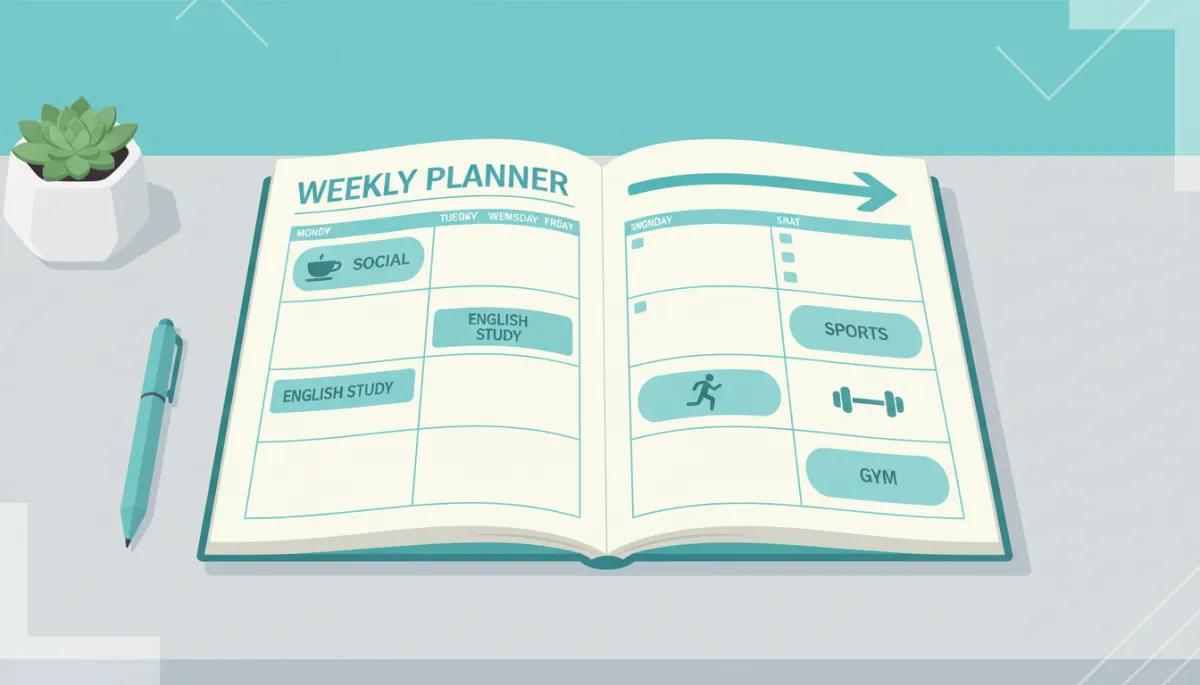
Short, planned sessions help you balance GCSE English work with a full summer social life.
Fun Ways to Boost Your English Skills Without Feeling Like You’re “Revising”
1. Turn Reading into a Summer Escape
Reading is one of the easiest and most enjoyable ways to keep your English skills sharp. It builds vocabulary, improves your sense of sentence structure and helps you understand how writers create effects – all vital for both EnglishLanguage and EnglishLiterature GCSE papers, whether you’re with AQA, Edexcel or another board.
Pick books you genuinely enjoy – thrillers, fantasy, romance, graphic novels, non-fiction on topics you love. It all counts as summer learning.
Set a relaxed target, like 20 minutes of reading on four days a week, or finishing one book every two weeks.
Try “reading dates” with a friend – meet at a café or park, read for half an hour, then chat.
💬 Mini Challenge: After each book, write a 100-word review. This doubles as a quick English Language writing exercise.
2. Make GCSE English Exam Practice Bite-Sized
You don’t need to complete full past papers to stay ahead. Instead, break AQA or Edexcel questions into small chunks that fit easily into your week. This keeps you familiar with the style of the exams without overwhelming you.
One week, try just Question 2 from an English Language paper (usually a language analysis question).
Another week, write a single descriptive or narrative piece using a picture prompt in 25 minutes.
For English Literature, have a go at one exam-style paragraph on a key theme or character, focusing on using a quote and zooming in on words.
Step Ahead English Tuition specialises in fast, focused tasks like these, so if you’d like ready-made practice questions with clear, examiner-style feedback, you can use our resources to turn a 20-minute slot into powerful progress.
3. Sneak English into Everyday Life
English doesn’t have to mean exercise books. You’re surrounded by language every day – and you can turn that into effortless practice:
On Your Phone: Read news articles, blogs or opinion pieces and ask yourself: What is the writer’s viewpoint? How do you know? This mirrors EnglishLanguage Paper 2 skills.
On Days Out: Describe the scene in your head using five senses. How would you open a descriptive writing piece about this place?
On Social Media: Try rewriting a caption more persuasively or more dramatically. You’re practising purpose, audience and tone without even touching a textbook.

Everyday reading on your phone can quietly build powerful GCSE EnglishLanguage skills.
Smart Study Tips for English Language This Summer
English Language often feels unpredictable, but the skills are the same each time. Use the summer to gently build these core abilities so you’re ready to hit the ground running in September, whatever your exam board – AQA, Edexcel or others.
Focus on Three Core Skills
Language Analysis: Once a week, pick a short paragraph from anything – a novel, an article, even an advert – and highlight three interesting words or phrases. Write a couple of sentences explaining the effect of each. You’re training your brain to think like the exam wants you to.
Structuring Writing: Practise planning a descriptive or narrative piece in five minutes: opening, build-up, key moment, ending. You don’t always have to write the whole thing; sometimes just writing a strong opening paragraph is enough for a summer session.
Opinions and Arguments: Choose a topic you care about (social media, school rules, part-time jobs) and jot down three reasons for and three against. This mirrors the thinking behind persuasive and discursive writing tasks.
💡 Pro Tip: Keep a small “language notebook” or notes app with interesting phrases you spot over the summer. You can steal and adapt them in your own GCSE writing later.
Summer Strategies for English Literature: Remember More, Stress Less
EnglishLiterature can feel like a memory test – texts, quotes, themes, context. Summer is your chance to refresh what you already know and fill in any gaps at a gentle pace, whether you’re following AQA, Edexcel or another specification. Think of it as re-visiting old stories, not cramming.
Make Friends with Your Set Texts Again
Re-read one key text over the summer – or watch a high-quality adaptation, then compare it to your memory of the book or play. This works brilliantly for Shakespeare and 19th-century novels.
Create a simple one-page mind map for each text, with characters, themes and three key quotes. Stick these somewhere you’ll see them, like near your desk or on your wardrobe door.
For poetry, choose two or three poems a week and summarise them in three bullet points: what it’s about, a key technique, and a quote you like.
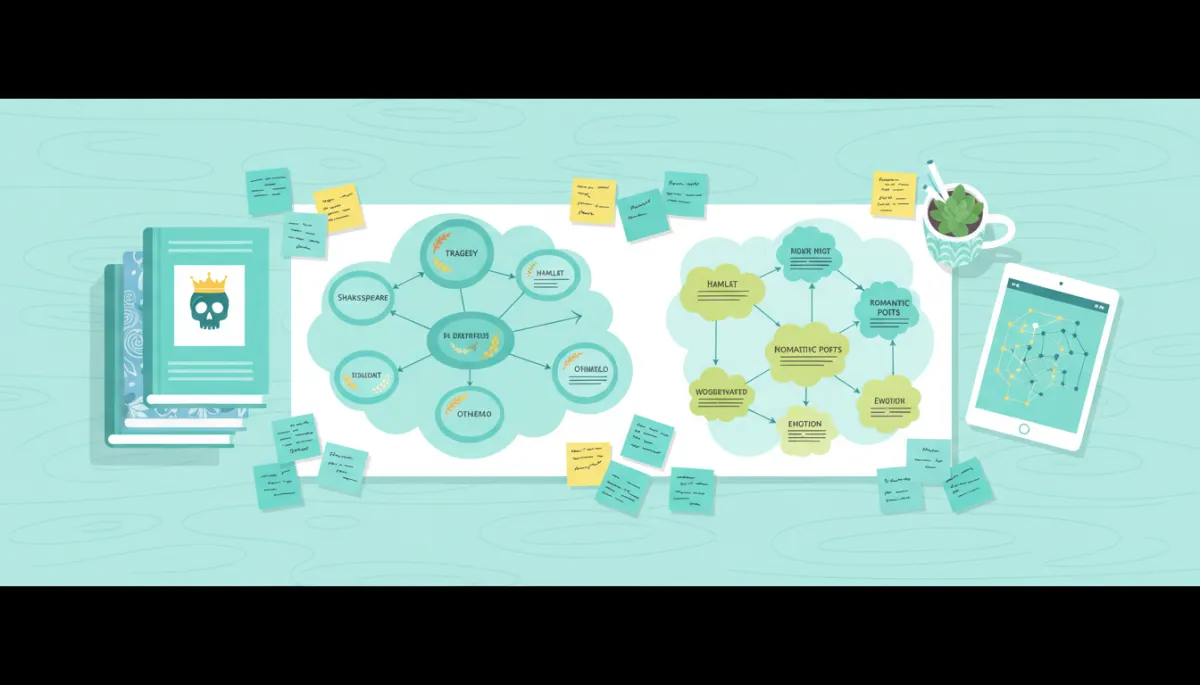
Simple one-page mind maps keep key EnglishLiterature texts fresh in your memory for September.
Quick Literature Study Tips You Can Do in 15 Minutes
Write a “character profile” for one character: who they are, what they represent, and how they change. Add one quote to support each point.
Choose one theme (like power, love, conflict, responsibility) and list three moments in the text that show it clearly.
Practise a mini PEE or PEEL paragraph (Point, Evidence, Explanation, Link) on a question like “How is tension created here?” or “How is this character presented?”
Step Ahead English Tuition offers examiner-approved paragraph structures and model answers for both AQA and Edexcel GCSE English, so you can see exactly what top-grade responses look like and copy the techniques in your own writing – even if you only have a few minutes spare.
Getting Ready for September: How to Prepare for School Without Stress
As August rolls into September, it’s totally normal to feel a mix of excitement and nerves. A little preparation can make those first weeks back feel smoother and more manageable, especially for English. Here are a few simple ways to prepare for school while keeping your summer vibe calm and positive.
Refresh the Basics: Revisit key grammar points (sentence types, punctuation, paragraphing) so you feel secure in the foundations of your writing.
Organise Your Notes: Sort your English folders or digital files by language and literature, and by exam board (AQA, Edexcel, etc.). Being organised now saves stress later when revision ramps up.
Plan a Gentle First Week: Decide on two short English tasks you’ll do in the final week of the holidays – maybe one language question and one literature paragraph – so you walk into school already in “English mode”.
📌 Key Takeaway: Preparing for school doesn’t mean doing everything. It means doing a few smart things that give you confidence from day one.
When You Need Extra Help: Using Support Wisely
Sometimes, even with the best intentions, English can still feel overwhelming – especially if you’re aiming for a specific grade in GCSE English, or if you left revision a bit late last year and don’t want to repeat that experience. That’s where targeted support can make a huge difference in a short time.
At Step Ahead English Tuition, we specialise in fast, effective support for KS3 and KS4 students. Our resources are designed to give you:
Clear, examiner-style explanations of what AQA and Edexcel are really looking for in EnglishLanguage and EnglishLiterature answers.
Personalised study tips and short study plans that fit around your summer, not the other way round.
Last-minute revision tools that can boost your grades in hours, not weeks – ideal if you want to start September already a step ahead.
Bringing It All Together: Your Summer English Action Plan
To stay ahead in English over the summer and best prepare for September, you don’t need a rigid timetable or endless worksheets. You just need a simple, friendly plan that respects your need for rest and fun. Here’s a sample weekly outline you can adapt:
Two Reading Sessions: 20–30 minutes each, reading something you actually enjoy – novels, articles, blogs or your set texts.
One Language Task: A single exam-style question, a descriptive paragraph or a short opinion piece on a topic you care about.
One Literature Top-Up: A mind map, quote revision, or a short PEE/PEEL paragraph on a theme or character.
Everything else you do – from reading social media posts critically to describing sunsets in your head – is a bonus layer of summer learning that strengthens your English skills without stealing your holiday.

Small, consistent actions over summer can create a big boost in GCSE English confidence.
Ready to Step Ahead This Summer?
Your summer should feel like a break – and with the right approach, it can also be the moment you quietly transform how you feel about English. By balancing work and play, choosing fun education activities, and focusing on small, smart study tips, you’ll arrive in September ready to tackle EnglishLanguage and English Literature with far more confidence, whatever your exam board – AQA, Edexcel or beyond.
If you’d like a little extra support, Step Ahead English Tuition is here to help you make the most of your summer. Our personalised revision packages give you instant access to fast, proven GCSE English support, with examiner-approved tools and clear guidance tailored to your needs and goals. Whether you’re aiming for a pass or pushing for top grades, we’re ready to help you move up quickly – even if time feels short.
Start improving today by choosing a personalised revision package and get instant access to focused, friendly resources that fit perfectly around your summer plans. Enjoy your holiday, keep your English skills strong, and walk into September already one step ahead.


