GCSE English Revision Tips, Exam Guides & Tutoring Blog | Step Ahead
Explore expert GCSE English advice, Grade 9 revision guides, and exam strategies for AQA and other boards. Boost your English Literature and Language grades today.

An Inspector Calls - How to Write Grade 9 analytical paragraphs about Sheila
GCSE English, Academic Writing, Grade Improvement

Stop Writing “Sheila Changes”: The Analysis Upgrade That Instantly Boosts Your Grade
You will not get top marks in GCSE English by writing, “Sheila changes throughout the play.” That sentence is vague, weak, and tells the examiner absolutely nothing. If you are serious about Grade Improvement, it is time to ditch lazy phrases and upgrade your Writing Analysis so it hits examiner criteria every single time.
The Problem with “Sheila Changes” (And Why Examiners Are Tired of It)
Let’s be blunt: “Sheila changes” is dead weight in Academic Writing. It is the kind of empty statement that makes examiners sigh because it:
States the obvious without proving anything
Shows no real Writing Analysis or understanding of the text
Does not engage with how or why the change happens
Examiners reward specific, precise, and insightful analysis. If your paragraph begins and ends with “Sheila changes”, you are handing marks away. Step Ahead English Tuition exists to stop that from happening and to show you how a small shift in your Writing Analysis can unlock a much higher band almost instantly.
💡 Bold Truth: If your sentence could apply to any character in any text, it is not analysis. It is filler. Cut it.
From Vague to Powerful: The Sheila Changes Upgrade Formula
You do not need magic to improve your Academic Writing. You need a clear formula. Here is a bold, no‑nonsense upgrade you can apply immediately to any character, not just Sheila in An Inspector Calls.
The 4-Step Analysis Upgrade
Be specific about the change. What exactly shifts in attitude, behaviour, or beliefs?
Use precise vocabulary. Replace “changes” with powerful verbs such as “evolves”, “rejects”, “questions”, “embraces”, or “internalises”.
Anchor your point in the text. Link to a quotation or moment that proves your claim.
Explain the effect or message. What does this change allow the writer to explore or criticise?
Here is the difference in action.
Weak Version | Upgraded Version |
|---|---|
Sheila changes throughout the play. | Sheila evolves from a naïve, sheltered daughter into a self‑aware critic of her parents’ attitudes, allowing Priestley to promote younger generations as a vehicle for social change. |
📌 Key Takeaway: The upgraded sentence does not just say “Sheila Changes”. It tells the examiner how, why, and to what effect. That is Writing Analysis. That is Grade Improvement.
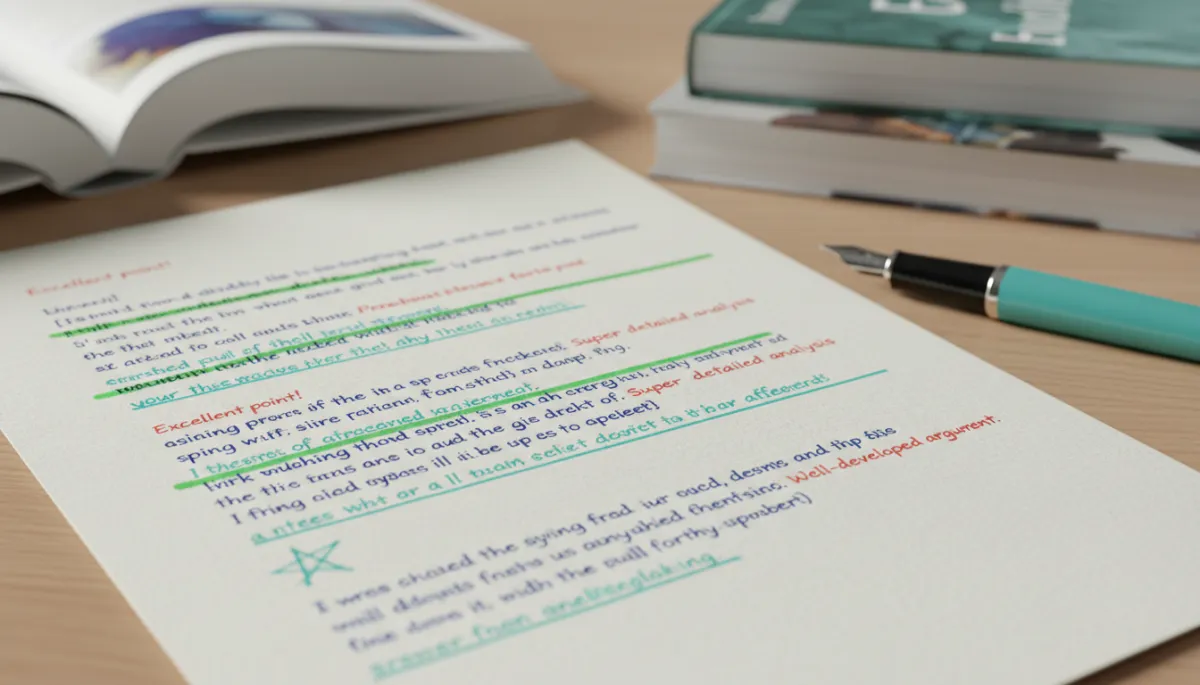
Precise analytical sentences grab examiner attention and push your answer into higher bands.
Writing Analysis That Examiners Actually Reward
Let’s strip away the mystery. Examiners are not looking for fancy waffle. They are looking for clear, focused Writing Analysis that does three bold things:
Shows you understand the writer’s intentions
Zooms in on methods and language choices
Links to big ideas or themes such as responsibility, power, or inequality
When you write about Sheila, do not just say she feels “guilty” or “sorry”. Push further. Ask yourself:
How does Priestley show this guilt? Through her language? Stage directions? Reactions to others?
Why does he make her react in this way? What message is he pushing about class or responsibility?
That extra sentence or two of explanation is the difference between a basic comment and top‑band Academic Writing. Step Ahead English Tuition trains you to make that leap automatically, even under time pressure.
💡 Pro Tip: Every time you write a statement like “Sheila feels guilty”, immediately follow it with “because Priestley wants to…”. Force yourself to explain the writer’s purpose.
Content Optimisation: Make Every Sentence Work for Your Grade
Content Optimisation in Academic Writing is simple: cut the fluff, keep the power. If a sentence does not move your argument forward, it is dragging your grade down. You do not have time in an exam to waste words on bland statements like “Sheila changes a lot” or “This is important because it shows she changes.”
The Three-Question Fluff Test
After writing a sentence, challenge it with these bold questions:
Does it add new information about the character, method, or theme?
Does it prove or develop my main point?
Could an examiner say, “So what?” after reading it?
If the answer to the last question is “yes”, delete it or upgrade it. Content Optimisation is ruthless, but it is exactly what high‑level students do without hesitation. At Step Ahead English Tuition, we show you how to apply this to every paragraph so your essays are lean, focused, and examiner‑friendly.

Ruthless editing turns vague comments into sharp, optimised analysis that scores higher.
Essay Tips: A Paragraph Structure That Destroys “Sheila Changes” Forever
You do not need a dozen fancy structures. You need one rock‑solid paragraph pattern you can rely on in every Literature essay. Here is a bold, examiner‑approved version used at Step Ahead English Tuition:
The POWER Paragraph for Grade Improvement
P – Point: Make a precise claim about Sheila’s development or role.
O – Observation: Give a quotation or moment that supports it.
W – Writer’s method: Zoom in on language, structure, or stagecraft.
E – Effect: Explain what effect this has on the audience or reader.
R – Reader’s response / message: Link to Priestley’s wider message or theme.
Watch how this instantly upgrades a weak idea:
Weak: Sheila changes and becomes nicer by the end of the play.
POWER Version: Priestley presents Sheila as increasingly self‑critical and morally aware, particularly when she insists, “I know I’m to blame – and I’m desperately sorry.” The adverb “desperately” intensifies her guilt, suggesting a deep emotional response rather than a shallow apology. This shift encourages the audience to admire her willingness to accept responsibility, positioning younger characters as a hopeful contrast to the stubborn older generation.
💡 Pro Tip: Notice how the upgraded version never actually uses the phrase “Sheila Changes” – yet it proves it far more convincingly. That is smart Essay Writing.
Academic Writing Mindset: Start Thinking Like an Examiner
If you want rapid Grade Improvement, you must stop thinking like a stressed student and start thinking like an examiner. Examiners are not hunting for perfection; they are hunting for evidence that you understand the text and can write analytically. That is all. So give it to them boldly and clearly.
Use confident verbs: presents, suggests, implies, exposes, challenges, criticises.
Avoid empty fillers: “This shows us that Sheila changes a lot”, “This is important because it shows change.”
Constantly link back to themes and context: responsibility, class, gender, post‑war society.
At Step Ahead English Tuition, we model this mindset in every session. You are not just learning content; you are learning how to sound like a top‑band candidate even if your confidence is low right now.

Personalised guidance helps you internalise examiner-style thinking in just a few focused sessions.
Last-Minute Rescue: Fast Fixes Before Your Next Essay
Maybe your exam is close. Maybe you feel behind. You still have time to make bold, effective changes. Here are rapid Essay Tips you can apply this week to stop writing “Sheila Changes” and start writing like a Grade 7–9 student:
Create a verb bank. Replace “changes” with “rejects”, “questions”, “embraces”, “internalises”, “challenges”, “aligns with”.
Practise one paragraph a day. Take a Sheila quotation and write a POWER paragraph around it. Short, sharp, effective.
Highlight your own fluff. Go through an old essay and highlight every vague phrase in one colour. Rewrite each one with specific detail.
💡 Bold Challenge: Rewrite one of your old “Sheila Changes” paragraphs tonight. Time yourself for 10 minutes. You will be shocked at how much stronger it becomes with focused Content Optimisation.
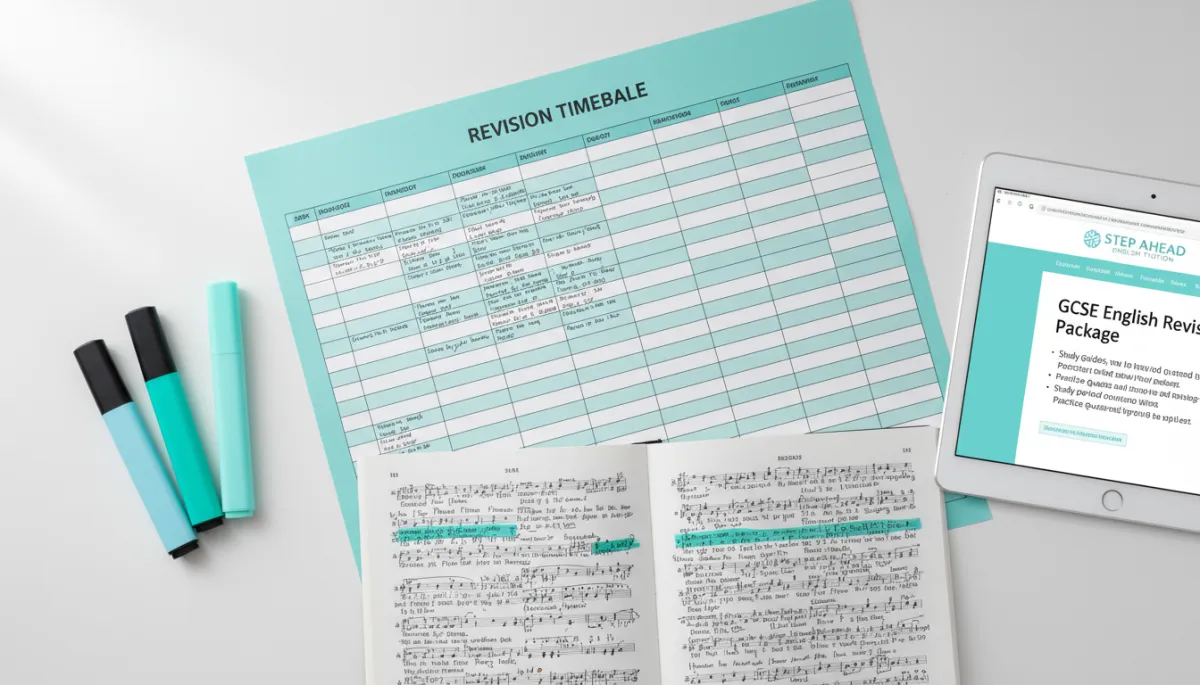
Structured, last-minute revision tools help you transform weak analysis into exam-ready writing fast.
How Step Ahead English Tuition Turns Analysis into Marks – Fast
You do not have to fix your Academic Writing alone. Step Ahead English Tuition is built for GCSE students who want real Grade Improvement in a short time frame. We focus on:
Targeted Writing Analysis practice using key texts like An Inspector Calls so you stop repeating vague phrases like “Sheila Changes”.
Examiner‑style feedback that shows you exactly which sentences earn marks and which ones waste time.
Personalised Content Optimisation plans so your practice is laser‑focused on what you need to improve most.
Our resources, revision packages, and one‑to‑one guidance are designed to be straightforward, accessible, and brutally effective. We know you are busy. We know exams are stressful. That is exactly why our strategies are built to work in hours, not weeks.
Your Next Move: Stop Saying It, Start Proving It
You now know the truth: “Sheila Changes” is not analysis – it is a missed opportunity. If you want stronger Academic Writing, sharper Writing Analysis, and genuine Grade Improvement, you must:
Replace vague statements with precise, powerful ones
Optimise your content so every sentence works hard for marks
Practise bold, examiner‑friendly paragraph structures using the POWER model
You can keep writing “Sheila Changes” and hope for the best – or you can upgrade your analysis today and walk into your exam knowing your writing finally matches your potential. Step Ahead English Tuition is here to make that upgrade fast, clear, and achievable.
🚀 Ready to Step Up? Start improving today by choosing a personalised revision package with Step Ahead English Tuition and get instant access to fast, proven GCSE English support that turns “Sheila Changes” into top‑band analysis.


Empowering students across the United Kingdom to reach their potential

Links
Legal
Newsletter
Join our community to stay updated on the latest courses, exclusive content, and learning resources. Subscribe now and take the next step in your educational journey!


© Copyright 2025. Step Ahead Tuition. All Rights Reserved. Powered by Lead Core.