GCSE English Revision Tips, Exam Guides & Tutoring Blog | Step Ahead
Explore expert GCSE English advice, Grade 9 revision guides, and exam strategies for AQA and other boards. Boost your English Literature and Language grades today.

Achieve Grade 9 English: Smart Revision Tips
Grade 9 English, Student Revision Tips, Exam Preparation

Why Grade 9 English Students Are Created Now: The Power of Smart Revision
Achieve Grade 9 English: Smart Revision Tips
Why Grade 9 English Students Are Created Now: The Power of Smart Revision
Why Grade 9 English Students Are Created Now, Not Later
The Problem with Cramming (and Why It Holds You Back from a Grade 9
Doing All the “Bits” of Revision Now: What Actually Matters
How Today’s Revision Choices Help You Secure a Grade 9
2. You Learn to Think Like an Examiner
3. You Reduce Stress (Which Boosts Performance)
A Simple, Friendly Plan to Start Acting Like a Grade 9 Student Today
If you’re aiming for a Grade 9 in GCSE English, the most important work isn’t done in the last frantic week before the exam – it’s done now. The choices you make with your revision today quietly build the confident, top‑scoring version of you who walks into the exam hall later. At Step Ahead English Tuition, we see it every year: Grade 9 English students aren’t “born” on exam day – they’re created in the months and weeks leading up to it, through calm, consistent, effective study strategies.
📌 Key Takeaway
If you’d like expert support from the very start, Step Ahead English Tuition offers free consultation calls at www.stepahead-tutoring.com, plus weekly Grade 9-focused masterclasses with students who are all working towards the same goal. It’s a simple way to get clarity, structure, and a motivated community around you from day one.
Why Grade 9 English Students Are Created Now, Not Later
It’s tempting to think that “proper” Exam Preparation happens right before the paper – a few intense days of late‑night revision, highlighters everywhere, and a lot of stress. But Grade 9 students are different. They don’t wait for panic to push them into action; they use the time they have now to quietly stack the odds in their favour.
Think of your Grade 9 English result as something you’re building brick by brick. Every short, focused revision session you do today – one essay plan, one set of flashcards, one poem revisited – is a brick. On its own, it might not feel huge. But over weeks, those bricks turn into a strong, unshakeable foundation. That’s why we say Grade 9 students are created now. They become Grade 9 students long before their paper is printed, simply by showing up for themselves, consistently, in small but smart ways.
Last year, one of our students, Amira, started Year 11 on a Grade 6 in English. Instead of waiting for “revision season”, she committed to three 25‑minute sessions a week: one on essay planning, one on quotes, and one on feedback. By March, she was writing Grade 8 responses in class. By the time the real exam came around, those months of quiet, steady work had turned into a secure Grade 9 – no all‑nighters, no meltdown, just a strong foundation she’d built early.
💡 Pro Tip
If you’re working regularly on English – however imperfectly – you’re already behaving like a future Grade 9 student. Keep going.
The Problem with Cramming (and Why It Holds You Back from a Grade 9
Let’s be honest: cramming feels productive. You’re working hard, your notes are everywhere, and your brain is buzzing. But for Grade 9 English, that “buzz” is often just stress pretending to be progress. To Secure Grade 9, you don’t just need facts in your head – you need calm, clear thinking, strong writing skills, and the ability to apply techniques under pressure. Cramming is the enemy of all of that.
When you cram, you stuff your brain with quotes and notes, but you don’t practise using them in real exam conditions.
You focus on remembering, not on understanding and explaining – exactly what the examiner is looking for in top‑band answers.
You burn energy on anxiety instead of building calm confidence through practice.
Effective Study Strategies for Grade 9 English are the opposite of last‑minute chaos. They’re about regular, short bursts of focused work: planning essays, practising introductions, revising key quotes, and reviewing feedback. If you Avoid Cramming and start doing these things now, you give your brain time to actually learn, not just panic‑memorise.
Take Josh, who came to Step Ahead English Tuition four weeks before his mocks feeling overwhelmed. His original plan was to “just cram everything” over half term. Instead, we helped him swap that for four 20‑minute timed questions a week and quick review sessions of his marked work. By the time mocks arrived, he’d completed over 20 practice responses and moved from a shaky Grade 5 to a high Grade 7 – simply by replacing cramming with calm, repeated practice.
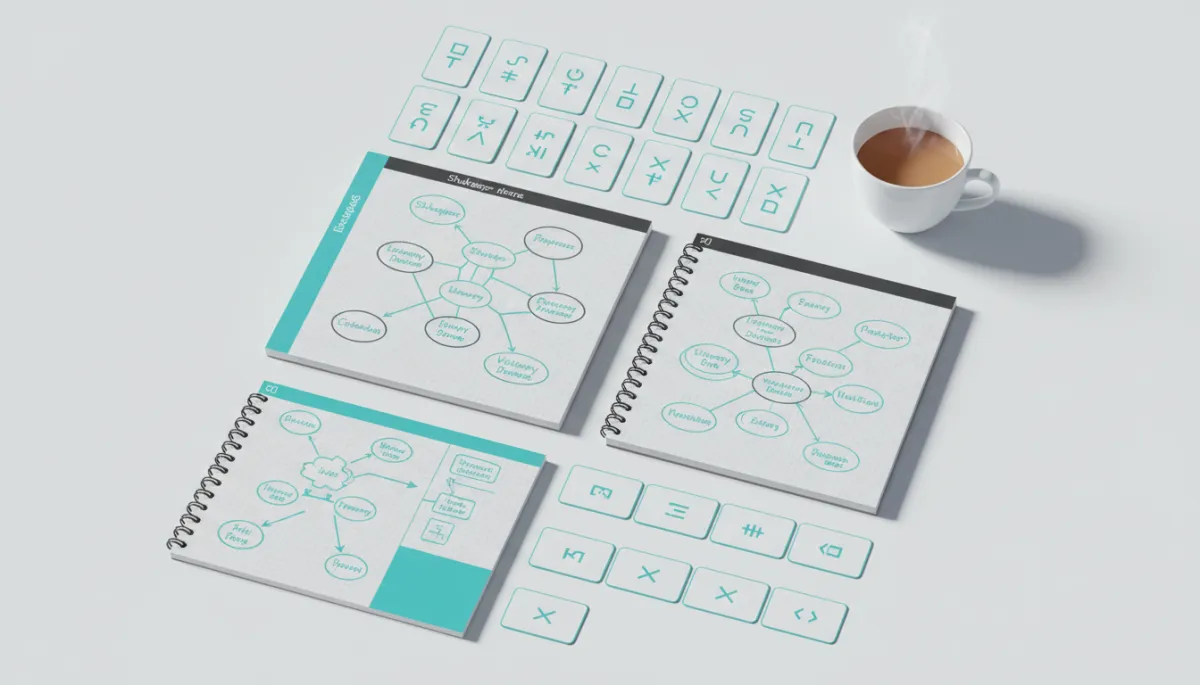
Calm, organised revision beats late-night cramming when aiming for a Grade 9.
Doing All the “Bits” of Revision Now: What Actually Matters
One of the biggest myths about English is that you can “wing it” if you’re naturally good at writing. Grade 9 students know better. They don’t just rely on talent; they quietly cover all the bits of revision now, so there are no gaps waiting to trip them up in the exam.
Here are the key areas you’ll want to tick off, one by one, before exam season hits:
Literature texts: Know your key quotes, themes, and characters. Create short, sharp mind maps and practise turning them into exam paragraphs.
Language papers: Practise question types regularly – especially Q2, Q3 and Q4 on Paper 1 and Paper 2. Short, 10–15 minute practice responses are perfect.
Writing skills: Work on openings, structuring paragraphs, and using a range of vocabulary and sentence types. These are the details that lift you into Grade 8–9 territory.
Timing and exam technique: Practise under timed conditions now, so the clock doesn’t scare you later.
These don’t need to be huge, overwhelming tasks. At Step Ahead English Tuition, we encourage students to break them into quick, manageable chunks: a 20‑minute poetry comparison one evening, a single language question the next, then a short piece of creative writing at the weekend. By “doing all the bits” now, you arrive at exam time feeling prepared, not panicked.
For example, Liam used to only revise his favourite text, An Inspector Calls, and ignored poetry because it felt “too hard”. We built him a simple rotation: Monday – literature, Wednesday – language, Saturday – poetry. Within six weeks, he’d covered every cluster poem at least twice, practised turning mind maps into PEEL paragraphs, and raised his poetry marks from 11/30 to 22/30 in school assessments – just by calmly ticking off each “bit” instead of avoiding it.
💡 Pro Tip
Turn your to‑do list into a “done” list. Each time you revise a poem, essay type, or question, tick it off. Watching the list shrink is a massive confidence boost.
📌 Key Takeaway
If you’d like structured help with “all the bits”, book a free consultation at www.stepahead-tutoring.com.
You can also join our weekly Grade 9 masterclasses, where focused students work together towards the same top-grade goal with live guidance from Step Ahead English Tuition.
How Today’s Revision Choices Help You Secure a Grade 9
Every time you sit down to revise, you’re making a choice about your future result. That might sound dramatic, but it’s true. The way you revise now shapes the kind of writer and thinker you’ll be in the exam. Here’s how smart Student Revision Tips and consistent habits translate into a top grade.
1. You Build Automatic Skills
When you regularly practise planning essays, spotting language techniques, and structuring paragraphs, those skills become automatic. In the exam, instead of thinking, “How do I start?”, your brain goes, “Right, I know my structure – let’s go.” That ease is what gives Grade 9 answers their confidence and clarity.
Real-world example: In one Step Ahead masterclass, we challenged students to plan an essay in five minutes using the same simple structure every time. After three weeks, Hannah could plan any literature question in under four minutes and said, “In my mock, I didn’t even panic – my hand just started writing the plan automatically.” Her literature grade jumped from a 7 to a 9 between November and March.
2. You Learn to Think Like an Examiner
Effective Study Strategies aren’t just about content – they’re about understanding what the mark scheme rewards. By looking at high‑level model answers, marking your own work, and using feedback, you start to see what examiners love: clear ideas, well‑chosen evidence, and detailed analysis. Once you know that, you can give it to them again and again.
One student, Riya, spent four weeks doing a simple routine: write one paragraph, compare it to a Step Ahead model, then highlight what the model did that she didn’t. She kept a tiny list of “examiner favourites” – things like zooming in on individual words and linking back to the question. By the time of her summer exam, her teacher commented that her answers “read like a mark scheme,” and she walked away with a Grade 9 in both Language and Literature.
3. You Reduce Stress (Which Boosts Performance)
Calm students write better. By avoiding cramming and spreading your Exam Preparation out, you protect your sleep, your focus, and your mood. You walk into the exam knowing you’ve done the work, and that quiet confidence can easily be worth several marks – sometimes the difference between a Grade 8 and a Grade 9 English result.
Real-world snapshot
During the May exam season, my students who followed a 30‑minutes‑a‑day plan reported feeling “nervous but prepared”, while those who tried to “catch up” in the last week felt exhausted. In one school, two friends with similar mock grades made different choices: the “little and often” student moved from 7 to 9; the last‑minute crammer stayed on a 7 and said afterwards, “I knew I’d left it too late.”

Regular feedback and small improvements quickly add up to top-band marks.
A Simple, Friendly Plan to Start Acting Like a Grade 9 Student Today
You don’t need to turn your whole life upside down to aim for a Grade 9. Here’s a gentle, realistic way to start right now:
Pick three priorities – for example: one literature text, one language paper skill, and one writing skill.
Schedule three short sessions this week (20–30 minutes each) and stick to them like appointments with your future self.
Use active revision – write paragraphs, plan answers, say quotes out loud, teach a friend. Don’t just read notes.
Get feedback – from a teacher, a tutor, or resources like Step Ahead English Tuition. Ask: “What would make this a Grade 9?”
Repeat next week, adjusting based on what you found hardest. That’s how steady progress happens.
This is exactly the kind of structure we build with students at Step Ahead English Tuition. Our fast, focused resources and personalised study plans are designed to help you avoid cramming, fill in gaps quickly, and feel genuinely ready – even if you’re starting a bit later than you’d like.
Case study in action
When Ben joined us in March, he was convinced it was “too late” to aim higher than a Grade 6. I gave him a simple three‑priority plan (Macbeth, Paper 1 Q2–4, and descriptive writing) and three weekly sessions of 25 minutes. Over eight weeks, his practice papers climbed from 6 to 8/9. His comment after results day? “It was the small, specific plan that made it feel possible.”
Final Thoughts: Your Grade 9 Starts with What You Do Today
Grade 9 English students aren’t a special group who magically “get it” the night before the exam. They’re ordinary students who make a series of small but powerful choices: to start now, to avoid cramming, to cover all the bits of revision, and to use Effective Study Strategies that actually work.
If you’re reading this, you’re already taking your Exam Preparation seriously – and that matters. The next step is simple: choose one thing to revise today and do it properly. Then choose another tomorrow. Brick by brick, session by session, you’re not just preparing for an exam; you’re creating the Grade 9 version of yourself.
If you’d like a bit of extra support, Step Ahead English Tuition is here to help you move faster and feel more confident. Our examiner‑approved tools and personalised plans are built for students just like you – ambitious, busy, and ready to improve. Start improving today by choosing a personalised revision package and get instant access to fast, proven GCSE English support that can help you Secure Grade 9 without burning out.


Empowering students across the United Kingdom to reach their potential

Links
Legal
Newsletter
Join our community to stay updated on the latest courses, exclusive content, and learning resources. Subscribe now and take the next step in your educational journey!


© Copyright 2025. Step Ahead Tuition. All Rights Reserved. Powered by Lead Core.