GCSE English Revision Tips, Exam Guides & Tutoring Blog | Step Ahead
Explore expert GCSE English advice, Grade 9 revision guides, and exam strategies for AQA and other boards. Boost your English Literature and Language grades today.
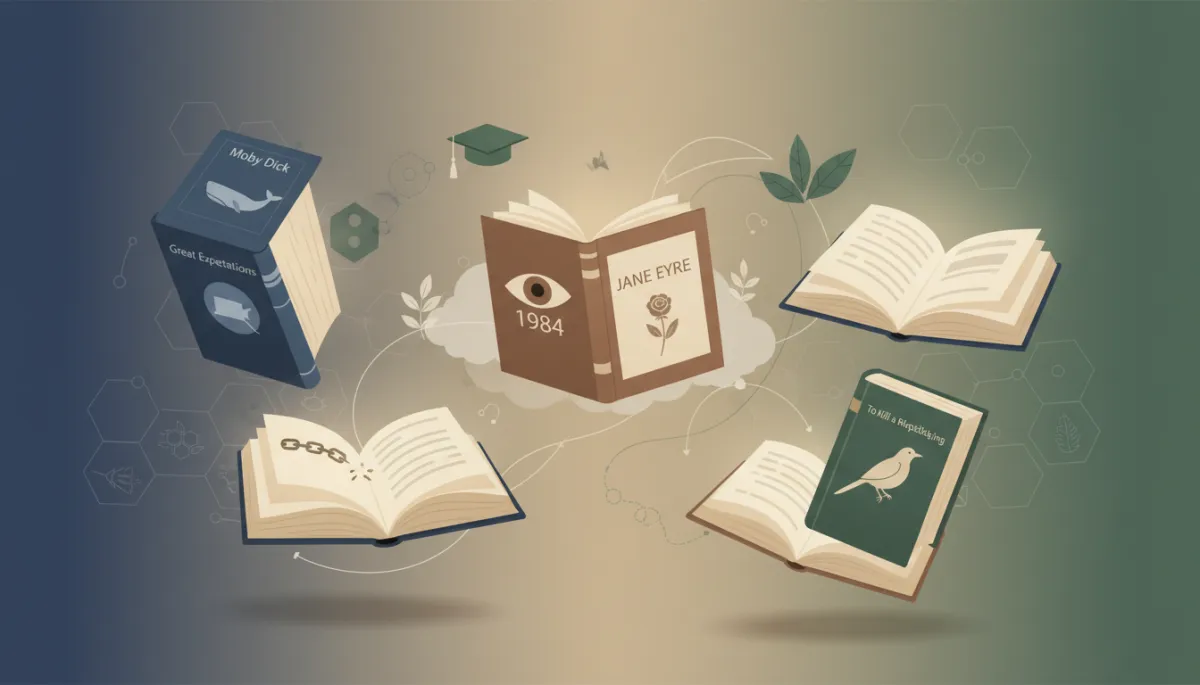
Top 5 GCSE English Books for 2026
GCSE English Books, Recommended Reading 2026, Classic Literature

Top 5 Extra Books Every GCSE English Student Should Read in 2026
Choosing the right GCSE English Books can make the difference between feeling overwhelmed and feeling in control. This Recommended Reading 2026 guide from Step Ahead English Tuition highlights five Additional Essential Reads outside your classroom texts that will deepen your understanding of Classic Literature and modern fiction, sharpen your exam skills, and give you powerful quotations and ideas to use in your essays and English Language responses.
Top 5 GCSE English Books for 2026
Top 5 Extra Books Every GCSE English Student Should Read in 2026 1
Why Your GCSE English Student Book List Beyond the Classroom Matters in 2026 1
1. Pride and Prejudice by Jane Austen – Love, Class and First Impressions 2
2. To Kill a Mockingbird by Harper Lee – Justice, Courage and Growing Up 3
3. The Book Thief by Markus Zusak – War, Words and Storytelling 4
4. Fahrenheit 451 by Ray Bradbury – Censorship, Technology and Independent Thought 5
5. A Modern Poetry Collection or Spoken Word Playlist – Fresh Voices and Real-Life Issues 6
How These Top 5 Extra Books Work Together for Exam Success 7
Fitting These Essential Extra Reads into a Busy Revision Schedule 8
Building Your Own Personalised GCSE English Book List 9
Final Thoughts: Turn Extra Reading into Results with Step Ahead English Tuition 10
Why Your GCSE English Student Book List Beyond the Classroom Matters in 2026
In 2026, exam boards such as AQA, Edexcel and OCR continue to focus on close reading, analysis and comparison of whole texts. Your set texts in school are the starting point, but the extra books you choose to read outside lessons can quietly give you a serious edge. Whether you are sitting GCSE English Language, GCSE English Literature, or both, your wider reading will shape how confident you feel when you open that exam paper. A smart Student Book List that goes beyond the classroom gives you:
A bank of memorable quotations and ideas from a range of voices, perfect for English Language writing tasks and unseen comparisons
A stronger grasp of themes, structure and character because you have seen them handled in different ways by different writers
Extra practice reading challenging texts, so the real exam feels easier, not harder
At Step Ahead English Tuition, we specialise in helping students boost their grades quickly with focused, examiner-approved strategies. The five Top Books For Students below are not replacements for your set texts – they are carefully chosen additional reads because they mirror the skills and knowledge tested in current specifications (AQA, Edexcel, OCR) while taking you beyond what you are already doing in class.
1. Pride and Prejudice by Jane Austen – Love, Class and First Impressions
If you want a Classic Literature text that sharpens your understanding of character, relationships and social class, Pride and Prejudice is a brilliant extra choice. Set in early 19th-century England, it follows Elizabeth Bennet as she navigates family pressures, romantic misunderstandings and strict class expectations. As an additional read for 2026, it is an Essential Read because it offers:
Clear, examinable themes – love, marriage, pride, prejudice, reputation and social status
Subtle but powerful narrative voice – Austen’s irony and humour are great practice for analysing tone and viewpoint
Rich dialogue and characterisation that help you write more confidently about relationships and conflict
Reading Pride and Prejudice outside class trains you to track how a character changes over time and how small details – a line of dialogue, a gesture, a misunderstanding – can shift relationships. This is exactly the kind of close reading that examiners reward in both Language and Literature. When Step Ahead English Tuition students use this novel as wider reading, we often focus on short, high-impact chapters (such as Darcy’s first proposal or Elizabeth’s visit to Pemberley) and build quick revision cards around key quotations and turning points.
💡 Quick grade booster: Choose one extra classic novel like Pride and Prejudice and learn 5–7 quotations about relationships and class. These can be woven into English Language essays to make your writing sound mature and well read.
2. To Kill a Mockingbird by Harper Lee – Justice, Courage and Growing Up
Many schools no longer teach To Kill a Mockingbird as a set text, but it remains one of the most powerful books you can read alongside your GCSE course. Set in 1930s America and told through the eyes of a child, Scout Finch, it explores racism, injustice and moral courage in a small town. This is one of the Top Books For Students to read outside lessons because it lets you practise:
Analysing narrative perspective – how seeing events through a child’s eyes shapes the story and tone
Writing about context – race, prejudice, the legal system and the Great Depression
Evaluating a writer’s moral message – courage, empathy and standing up for what is right
Because the novel is gripping and character-driven, it is ideal for building reading stamina if you find longer books challenging. At Step Ahead English Tuition, we often use it as a model when teaching students how to write about big ideas in a clear, exam-friendly way: one key idea, one precise quotation, one sentence explaining the effect. Even though it is not on the GCSE specification, it strengthens the exact same skills you need for your real exams.
3. The Book Thief by Markus Zusak – War, Words and Storytelling
If you are looking for a modern novel that feels different from your set texts but still supports your GCSE English skills, The Book Thief is a fantastic choice. Narrated by Death and set in Nazi Germany, it follows Liesel, a young girl who steals books and discovers the power of words to comfort, resist and remember. It gives you rich material for essays and creative writing on:
Unusual narrative voice – Death as a narrator is perfect practice for analysing viewpoint and narrative technique
Symbolism – books, colours, words and weather are all used symbolically throughout the novel
Conflict and compassion – ideal themes for both Literature-style analysis and Language writing tasks
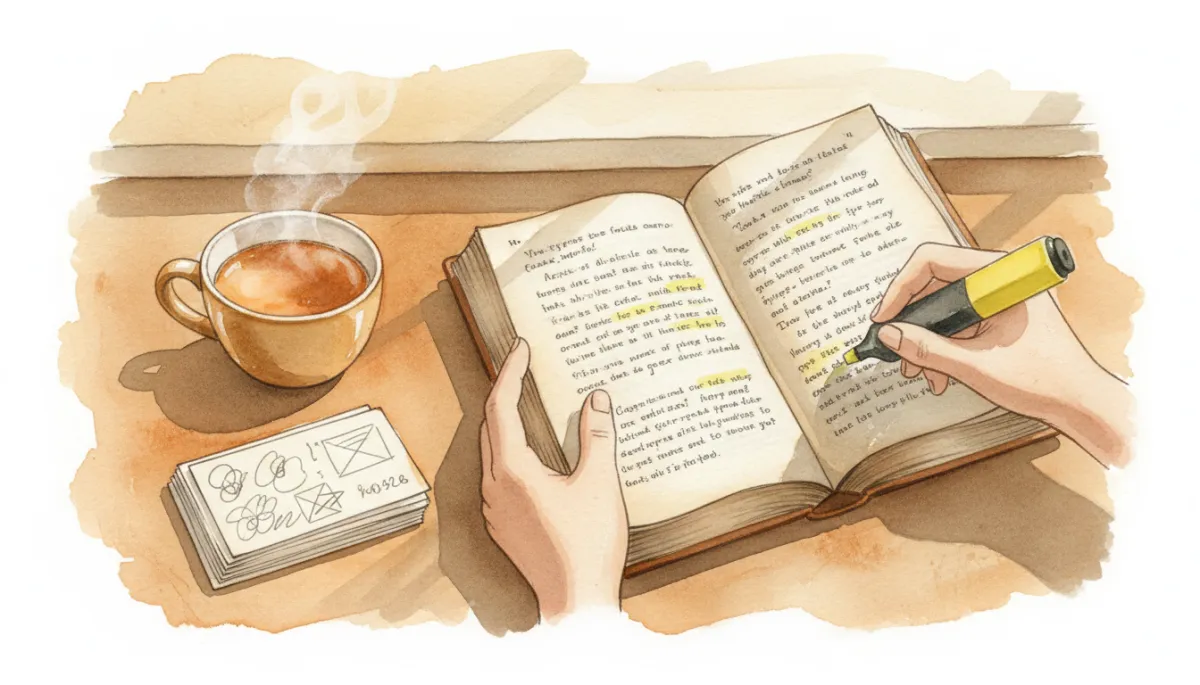
Turning powerful quotations into short flashcards is a fast, proven way to secure higher GCSE English grades.
As a piece of modern Classic Literature, The Book Thief also strengthens your descriptive writing and vocabulary, which benefits both English Language and Literature papers. Many of our Step Ahead English Tuition students find that once they understand the structure – the way the novel moves back and forth in time and uses short, striking sections – they can quickly spot techniques to steal for their own writing. It becomes one of those GCSE English Books that inspires you creatively as well as supporting your analysis skills.
💡 Revision idea: As you read any extra novel, note three quotations that show how the writer uses language powerfully. Reuse those patterns in your own descriptive and narrative writing for English Language.
4. Fahrenheit 451 by Ray Bradbury – Censorship, Technology and Independent Thought
In a world where screens and social media compete for your attention, Fahrenheit 451 feels surprisingly relevant. This short dystopian novel imagines a future where books are banned and “firemen” burn them. As part of your Recommended Reading 2026 beyond the classroom, it helps you to:
Analyse how language can be used to control and distract – a perfect link to non-fiction analysis and media texts
Explore themes of freedom, knowledge and conformity – ideal for discussion and exam-style evaluation questions
Connect context and meaning – linking the novel’s fears about technology and censorship to modern debates in 2026
What makes Fahrenheit 451 one of the Top Books For Students is that it also supports your English Language skills. The book is packed with vivid imagery, rhetorical questions and powerful extended metaphors – exactly the kind of techniques you are asked to identify and use in exam responses. By reading it actively (underlining techniques, annotating margins), you train yourself to spot those same moves quickly in unseen texts and to echo them in your own writing.
5. A Modern Poetry Collection or Spoken Word Playlist – Fresh Voices and Real-Life Issues
While different exam boards use different poetry anthologies, it is incredibly powerful to read (or listen to) poems beyond your set cluster. This could be a slim modern poetry collection from a library, a free online anthology, or a playlist of spoken word performances. As an extra part of your 2026 Student Book List, it is one of the most Essential Reads because it develops two key exam skills:
Comparing texts – you practise linking poems by theme, tone, structure and language, ready for any comparison question
Interpreting complex language – metaphors, symbolism, form and sound patterns (like rhyme, rhythm and alliteration) in a wide range of voices
Poets such as Carol Ann Duffy, Simon Armitage, Benjamin Zephaniah, Imtiaz Dharker or spoken word artists you discover on YouTube and podcasts appear frequently in GCSE English Books lists and exam extracts. Reading or listening to a small number of poems really well is more effective than trying to memorise every line of a huge anthology. At Step Ahead English Tuition, we often help students choose a “core five” extra poems or performances to explore first, then show how to connect those confidently to any poem or non-fiction text that appears in the exam question.
💡 Poetry strategy: For each extra poem or performance, learn one key idea, one key technique and one key quotation or line. This “1–1–1” approach keeps wider reading manageable and exam-ready.
How These Top 5 Extra Books Work Together for Exam Success
Each of these texts earns its place in your Recommended Reading 2026 because it builds a different part of your skill set alongside what you are doing in school:
Pride and Prejudice – complex character and relationship analysis, social class, and subtle narrative voice
To Kill a Mockingbird – perspective, justice, and moral courage, with strong links to context and ethics
The Book Thief – narrative voice, symbolism, and emotional impact in modern Classic Literature
Fahrenheit 451 – allegory, persuasive language, and links to non-fiction analysis skills and modern debates
A modern poetry collection or spoken word playlist – comparison skills and close analysis of language, voice and form
Together, they form a balanced GCSE English Student Book List beyond the classroom that prepares you for almost any style of question: character, theme, structure, context, or comparison. They also encourage you to think about big ideas that matter in 2026 – power, responsibility, inequality, identity and change – giving your essays depth and originality even when you are writing about your official set texts.
Fitting These Essential Extra Reads into a Busy Revision Schedule
You might be thinking, “These all sound great, but I do not have time to read every page in detail.” That is where a smart approach – and the right support – makes a difference. At Step Ahead English Tuition, we help students turn these Top Books For Students into fast, effective revision tools, not just long reading projects. Here are a few practical ideas you can start using today, even if you are already busy with set texts:
Prioritise key scenes and chapters. For each extra play or novel, identify 5–8 “anchor” sections that cover major turning points or themes. Reread and annotate these first – they will carry most of your exam-style arguments and creative writing ideas.
Use active reading techniques. Highlight, underline, scribble questions in the margins, and summarise each chapter or scene in one or two sentences. Passive reading rarely sticks; active reading does, especially when you are fitting it around homework and revision.
Create mini revision banks. For each text, build a small bank of quotations grouped by theme and character. This turns each extra book into a quick-reference revision resource you can flick through before mocks or final exams.
Practise timed paragraphs, not just full essays. If you are short on time, write focused 10-minute paragraphs on different questions using your Essential Reads. This builds exam confidence without feeling overwhelming and lets you test out ideas from your wider reading.
Building Your Own Personalised GCSE English Book List
The five texts in this guide are a strong foundation, but your full Student Book List can and should be tailored to you. Your school might already be teaching Dr Jekyll and Mr Hyde, Frankenstein, Blood Brothers or Lord of the Flies as set texts. Your extra reading should add something new – a different time period, a different narrative voice, a different perspective on themes like power, inequality or identity. The key is to treat any additional text as an opportunity to build the same core skills: interpretation, analysis, comparison and evaluation.
If you enjoy reading beyond your set texts, you might also explore other Classic Literature or modern favourites recommended for older students – from Jane Eyre and Great Expectations to The Hate U Give or other contemporary YA novels. These extra reads can deepen your understanding of genre and context, but they are optional. Your priority should always be to know your exam texts inside out, then use wider reading to add confidence, vocabulary and fresh ideas on top.
Final Thoughts: Turn Extra Reading into Results with Step Ahead English Tuition
Reading the right GCSE English Books in the right way is one of the fastest routes to higher grades. The five Essential Reads in this Recommended Reading 2026 guide – Pride and Prejudice, To Kill a Mockingbird, The Book Thief, Fahrenheit 451 and a modern poetry collection or spoken word playlist – give you a powerful mix of Classic Literature and modern texts, all carefully aligned with what examiners want to see while taking you beyond what you are already studying in class. They are not just stories; they are tools you can use to unlock top-band marks in every paper.
You do not have to tackle them alone. At Step Ahead English Tuition, we specialise in turning even last-minute panic into calm, structured progress. Our personalised revision packages break each book into manageable chunks, show you exactly how to turn quotations into high-level analysis, and give you examiner-style questions to practise. Whether you are aiming to move from a 3 to a 5, or from a 7 to a 9, we focus on practical strategies that deliver results in hours, not weeks.
📌 Key takeaway: A carefully chosen GCSE English Student Book List that goes beyond your classroom texts is more than homework – it is your shortcut to confident, well supported exam answers in 2026 and beyond.
If you are ready to turn these Top Books For Students into top marks, Step Ahead English Tuition is here to help. Start improving today by choosing a personalised revision package and get instant access to fast, proven GCSE English support – so every page you read, inside and outside the classroom, brings you one step closer to the grade you deserve.


Empowering students across the United Kingdom to reach their potential
Links
Legal
Newsletter
Join our community to stay updated on the latest courses, exclusive content, and learning resources. Subscribe now and take the next step in your educational journey!


© Copyright 2025. Step Ahead Tuition. All Rights Reserved. Powered by Lead Core.