GCSE English Revision Tips, Exam Guides & Tutoring Blog | Step Ahead
Explore expert GCSE English advice, Grade 9 revision guides, and exam strategies for AQA and other boards. Boost your English Literature and Language grades today.
AQA Paper 2 Question 2: How to Write a Summary That Earns Top Marks

Question 2 on AQA English Language Paper 2 is worth only 8 marks, so it is easy to rush. Yet it is also one of the most learnable questions on the paper. Once you know exactly what the examiner wants, you can pick up most of those marks in a few minutes. With mocks around the corner, now is a good time to practise it.
What is Question 2 really asking?
Paper 2 gives you two non-fiction sources, Source A and Source B. Question 2 asks you to write a summary of the differences between them on a specific focus, for example how the two writers experience travelling to work. The key words are summary and differences. You are not analysing language (that comes later), and you are not listing similarities.
To earn the top marks you need to do two things: use evidence from both sources, and make inferences, which means saying what the details suggest rather than just copying them out.
A simple five-step method
Underline the focus. Circle exactly what the question wants compared (for example “the ways the writers experience travelling to work”) so you stay on topic.
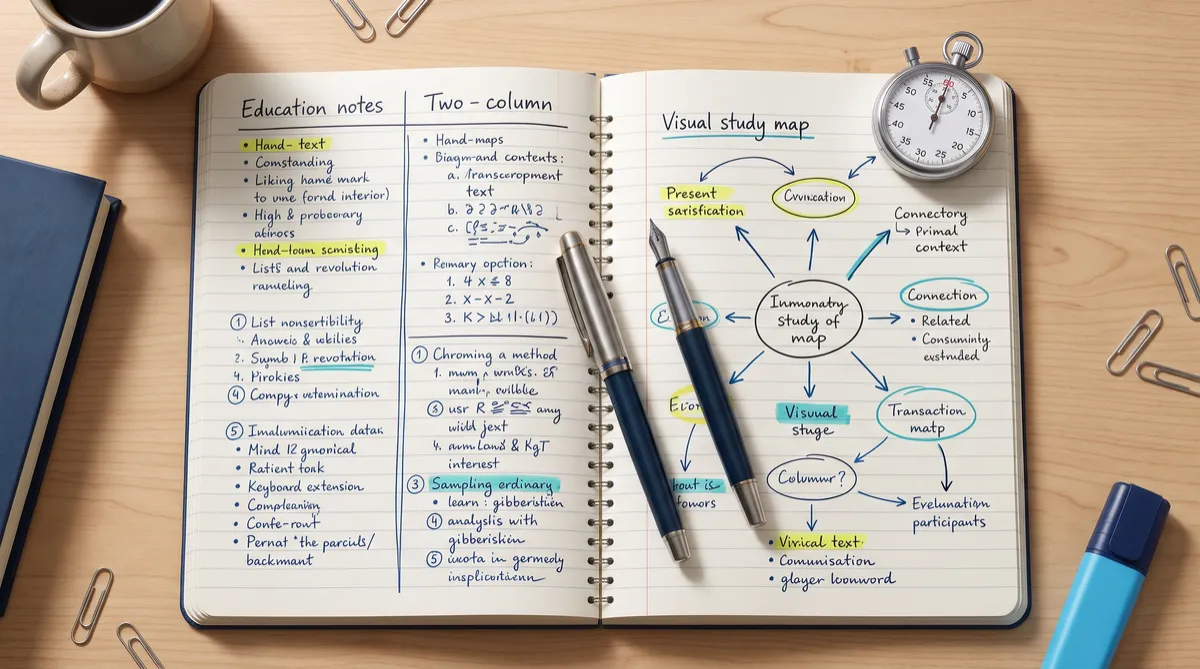
Make two columns. Skim Source A and jot down details on the focus; do the same for Source B. Ignore anything that does not relate to the focus.
Pair up your differences. Choose three or four clear contrasts, such as calm versus stressful, or choice versus obligation.
Add a short piece of evidence for each side. A few words in quotation marks is plenty; long quotations waste time.
Infer. For each difference, explain what the detail suggests about the writer’s attitude or situation.
A model paragraph
Imagine Source A shows a writer squeezed onto a packed morning train, while Source B shows a writer enjoying a quiet walk to work. Here is a paragraph I wrote to show the shape of a strong answer:
In Source A, the writer finds her commute stressful and overcrowded: she feels “crushed” by strangers and keeps checking the time, which suggests she feels rushed and powerless. In contrast, the writer of Source B treats his walk as a calm escape, noticing the birdsong and taking his time, which implies that he values the journey as a chance to think. While Source A presents travel as something to be endured, Source B presents it as something to be enjoyed.
Notice the pattern. The paragraph names the source every time, uses comparing words (in contrast, while), gives a short piece of evidence, and always explains what the evidence suggests. It also stays on the focus from start to finish.
Common mistakes to avoid
Writing about one source at a time with no link. Use connectives such as “whereas”, “however” and “on the other hand” so the differences are obvious.
Listing similarities. The question asks for differences, so similarities earn nothing here.
Copying long quotations. Short quotations, followed by your interpretation, show the examiner you can think.
Analysing language in detail. Save terms like “metaphor” and “semantic field” for the language question; here you are summarising ideas and attitudes.
Spending too long. It is 8 marks, so keep it focused and move on.
How to practise before your mocks
Take any two short non-fiction extracts, for example a news article and a travel diary on the same theme, and set a short timer. Underline the focus, build your two columns, then write one paragraph with at least three paired differences. Afterwards, tick off the checklist: both sources used, differences not similarities, short evidence, inference on every point. Repeat this weekly, and the method will feel automatic by exam day.
Key takeaways
Question 2 is a summary of differences between Source A and Source B, based on the focus in the question.
Use evidence from both sources and always add an inference.
Pair your points and use comparing connectives such as “in contrast” and “whereas”.
Keep quotations short and avoid detailed language analysis.
Practise one timed paragraph a week before your mocks.
Want help turning this into marks?
Summary skills are quick to improve with the right feedback.
If you would like support with GCSE English Language, you can book a free GCSE consultation with Step Ahead Tutoring and talk through where your child is now and what to work on next.


Empowering students across the United Kingdom to reach their potential

Links
Legal
Newsletter
Join our community to stay updated on the latest courses, exclusive content, and learning resources. Subscribe now and take the next step in your educational journey!


© Copyright 2025. Step Ahead Tuition. All Rights Reserved. Powered by Lead Core.