GCSE English Revision Tips, Exam Guides & Tutoring Blog | Step Ahead
Explore expert GCSE English advice, Grade 9 revision guides, and exam strategies for AQA and other boards. Boost your English Literature and Language grades today.
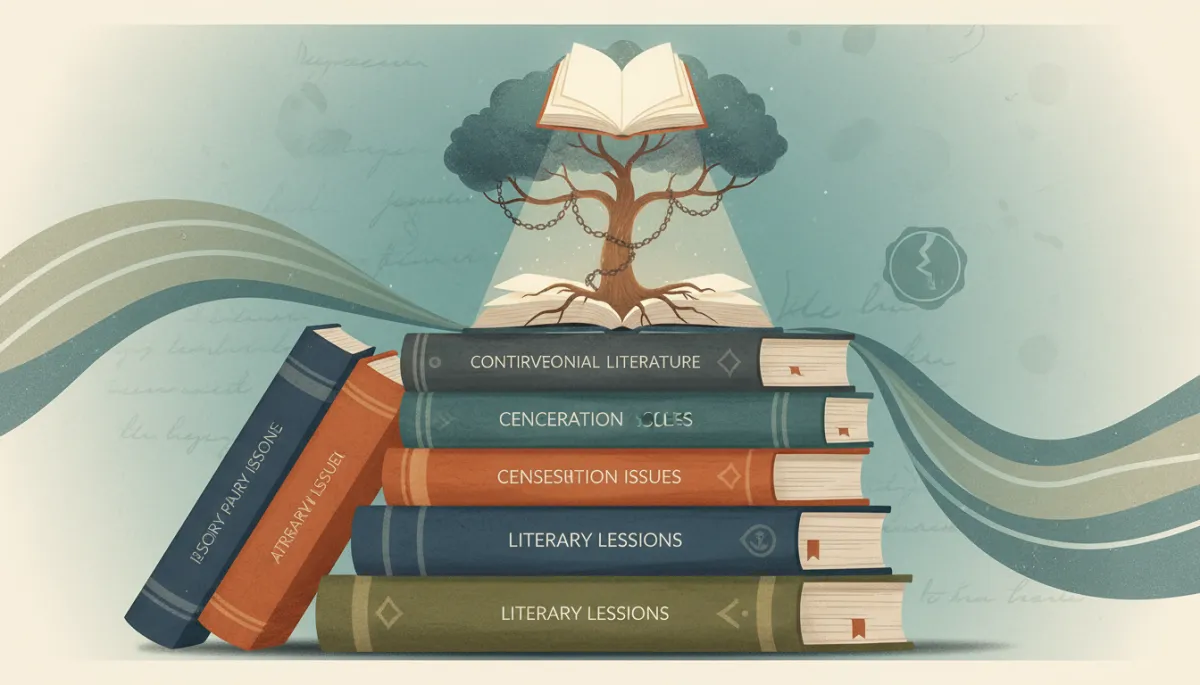
Why Controversial Books Matter for GCSE Students
Controversial Literature, Banned Books, GCSE Reading List, Censorship Issues
Controversial Texts in Modern Literature: Why They Matter for GCSE Students
Controversial Literature can feel a bit scary at first glance, especially when you hear that certain Modern Texts are banned, challenged, or endlessly debated in the media. But for GCSE English students, these very books often offer the richest Literary Lessons, the sharpest insights into society, and the best chances to practise thoughtful, high‑level analysis. In this blog, we will explore why some books cause such a stir, what leads to Censorship Issues, and how even disputed texts on the GCSE Reading List can help you boost your grades and your confidence.
What Makes a Book “Controversial” in the First Place?
When we talk about Controversial Literature, we are usually talking about books that challenge the values, beliefs, or comfort zones of a particular group of people. A text might question political systems, explore taboo topics, or use language that some readers find offensive. For GCSE students, this can feel like stepping into a heated debate that started long before you picked up the book – but that is exactly what makes it so useful for your learning and exam skills.
Modern Texts become controversial for a variety of reasons:
They include themes that some people see as morally wrong or inappropriate, such as violence, racism, or sexuality.
They challenge religious or cultural beliefs, or criticise powerful institutions like governments, schools, or the police.
They use strong language, slurs, or graphic descriptions that some readers feel should not be given to young people.
At Step Ahead English Tuition, we encourage students to see controversy not as a red flag but as an invitation to think more deeply. In a GCSE exam, being able to explain why a text might offend some readers, and what the writer is trying to achieve by including difficult material, can help you write more mature, thoughtful responses that really impress examiners.
Banned Books and Censorship Issues: Who Decides What You Can Read?
Around the world, many books have been banned or restricted at some point. A Banned Book is usually one that a school, library, or government has removed from shelves or refused to stock, often because of complaints from parents, religious groups, or political leaders. You might be surprised to learn that some widely respected classics have faced bans, including To Kill a Mockingbird, The Catcher in the Rye, and Of Mice and Men.
In the UK, full legal bans are rarer today, but Censorship Issues still appear in softer forms: schools might quietly drop a text from their curriculum, libraries may hide certain books on higher shelves, or exam boards may choose not to include a particular title because they anticipate complaints. These decisions are rarely neutral; they are influenced by social pressure, politics, and fears about how young people might react to challenging material.
What Influences a Ban or a Challenge?
When a book is challenged or removed, a few common factors tend to be at work. Understanding these will help you analyse Censorship Issues intelligently in your GCSE essays:
Social values at a particular time: What is acceptable in one decade may be shocking in another. For example, attitudes to race, gender, and sexuality have changed rapidly, which means some older texts now feel much more controversial than when they were first written.
Fears about young readers: Adults often worry that exposure to certain ideas will harm teenagers, encourage bad behaviour, or normalise offensive attitudes. This fear is a major reason why school reading lists are so carefully controlled.
Political pressure: In some countries, books that criticise the government or question national history are censored to protect those in power. Even in the UK, political debates can influence which texts feel “safe” to include in classrooms.
Media attention and moral panic: A single headline or social media campaign can create a sense of crisis around a book, leading to calls for it to be withdrawn – sometimes by people who have not actually read it.
💡 Step Ahead Tip: In an exam, if you are writing about a controversial text, briefly mention how changing social values might affect how different audiences respond. This instantly adds depth to your analysis.
Why Are These Books Worth Reading Anyway?
If a book has been banned or attacked, it is easy to assume it must be “bad” or dangerous. Yet many Banned Books are now seen as essential reading because they expose injustice, challenge prejudice, and encourage empathy. For GCSE English, these texts are goldmines of Literary Lessons that can help you grow as a reader, a writer, and a thinker.
Lesson 1: Learning to Tackle Difficult Topics with Maturity
Many controversial Modern Texts deal with racism, sexism, homophobia, or class inequality. These are not easy subjects, but they are part of real life. When you read about them in a carefully crafted novel or play, you have space to reflect, ask questions, and form your own views. This is exactly the kind of critical thinking that GCSE examiners reward, especially when you can link it to context and audience response.
Lesson 2: Understanding Historical and Social Context
Some texts are controversial today because they reflect attitudes from the past that we now recognise as harmful. For example, a book might contain racist language or stereotypical portrayals of certain groups. Instead of ignoring these elements, you can use them to explore how society has changed – or how some problems still remain. At Step Ahead English Tuition, we often show students how to turn this into a clear exam point: “This language reflects the attitudes of the time, which many modern readers would now find offensive.”
Lesson 3: Separating Author, Narrator, and Character
Another powerful lesson from Controversial Literature is learning not to assume that the writer agrees with everything a character says. A racist character does not necessarily mean a racist author; often, the writer is using that character to criticise or expose prejudice. Being able to tell the difference between a character’s viewpoint and the author’s message is a high‑level analytical skill that can push you towards the top grades at GCSE.
Lesson 4: Building Empathy and Emotional Intelligence
Controversial stories often place you in the shoes of people very different from yourself: refugees, prisoners, victims of discrimination, or even flawed characters who make terrible choices. This can be uncomfortable – but it is also how empathy grows. When you write about these texts, you can show examiners that you understand not only what happens in the plot, but also how it might feel for the characters involved and for the readers following their journeys.
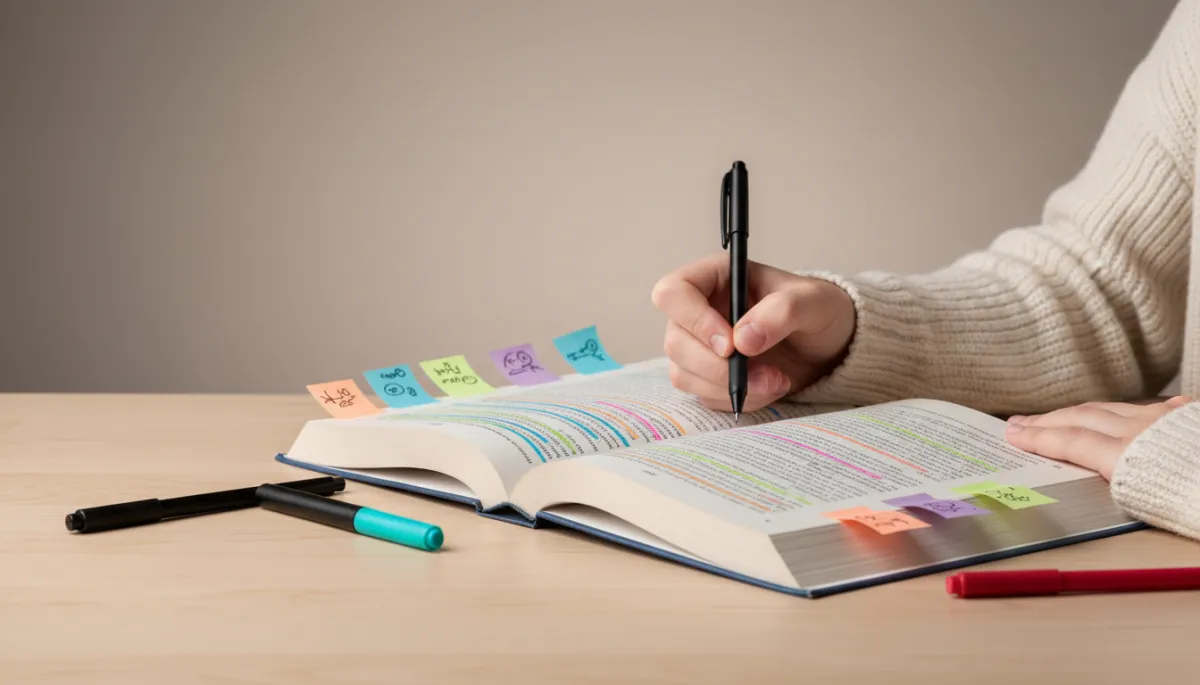
Careful annotation of controversial passages turns discomfort into powerful analytical insight.
Controversial Texts on (and around) the GCSE Reading List
You might be wondering how all of this connects to your actual GCSE Reading List. Exam boards such as AQA, Edexcel, OCR and WJEC choose texts very carefully, but that does not mean controversy disappears. In fact, some of the most popular GCSE set texts have sparked debate because of their themes, language, or representation of particular groups. Let us look at a few examples and the issues they raise.
“An Inspector Calls” – Class, Gender, and Responsibility
J. B. Priestley’s An Inspector Calls is a firm favourite in GCSE English, but it has its own quiet controversies. Written in 1945 and set in 1912, the play strongly criticises the selfishness of the upper classes and argues for social responsibility. During the Cold War, some people saw it as too left‑wing or even as a piece of socialist propaganda. While it has not been banned in the UK, its political message has made it a text that some readers either love or strongly resist.
For you as a GCSE student, this is an opportunity. You can explore how Priestley uses the Inspector to challenge capitalist values, and how different audiences – for example, 1940s theatre‑goers compared with modern teenagers – might respond. By recognising that the play’s political stance is part of what makes it powerful and controversial, you show examiners that you are thinking beyond basic plot summary.
“Of Mice and Men” – Language, Violence, and Representation
John Steinbeck’s Of Mice and Men used to appear frequently on GCSE syllabuses and is still widely studied in schools, even though it is no longer a core exam text for many boards. It has been challenged and banned in some American schools because of its use of racist language, its portrayal of disabled characters, and the violence near the end of the novel.
When UK schools teach this novel, teachers usually address these issues directly, helping students understand the historical context of 1930s America and encouraging critical discussion. Rather than pretending the offensive language is acceptable, they use it as a starting point to talk about how racism works, how power is abused, and how Steinbeck might be inviting readers to sympathise with those who are marginalised. This approach turns a potentially harmful text into a powerful tool for learning and reflection – exactly the kind of deep engagement that Step Ahead English Tuition helps students develop quickly, even close to exam time.
“The Curious Incident of the Dog in the Night-Time” – Disability and Authenticity
Mark Haddon’s The Curious Incident of the Dog in the Night-Time is another Modern Text that has appeared on GCSE reading lists. It is told from the perspective of Christopher, a teenager who is often read as autistic, although the novel never labels him directly. Some readers praise the book for raising awareness and offering a fresh narrative voice; others criticise it for stereotyping or for not being written by an autistic author.
This debate itself is a rich source of analysis. You can discuss how the first‑person narration shapes our understanding of Christopher’s world, how Haddon invites empathy, and also how some readers might feel misrepresented. Recognising that a text can be both valuable and imperfect is a sophisticated stance that examiners appreciate, and it shows that you are engaging with Censorship Issues and representation in a thoughtful, balanced way.
Poetry Anthologies – Race, Identity, and Conflict
Even poetry on the GCSE Reading List can be controversial. Poems dealing with race, identity, migration, or war sometimes attract criticism for being “too political” or “too upsetting” for younger students. For example, poems that expose the impact of colonialism or examine modern conflicts may make some readers uncomfortable because they question national myths or highlight ongoing injustices.
In recent years, there have also been debates about which poets are included or excluded from anthologies – whose voices are represented, and whose are missing. These choices can be seen as a subtle form of censorship, shaping what young people learn about literature and whose stories are treated as important. When you revise, try to think about which perspectives your anthology offers and which it might leave out; again, this can be turned into a sharp contextual point in your essays.
How to Study Controversial Literature Effectively for GCSE
Knowing that a text is controversial is only the first step. To turn that knowledge into higher marks, you need a clear, calm approach to reading, revising, and writing about it. Here are some friendly, practical strategies that Step Ahead English Tuition uses with students who want fast, effective progress.
1. Separate Your Personal Feelings from Your Analysis (But Acknowledge Both)
It is completely normal to feel upset, angry, or uncomfortable when reading about certain topics. Instead of trying to switch off those emotions, use them as evidence of the text’s impact. You might write something like, “Many readers, including modern teenagers, may feel shocked by this language, which highlights how attitudes have changed since the text was written.” This shows emotional intelligence and analytical skill.
2. Always Ask: “Why Has the Writer Done This?”
When you meet a disturbing scene or an offensive comment in a book, pause and ask: what effect is the writer aiming for? Are they criticising a viewpoint by showing its consequences? Are they trying to shock the reader into paying attention? Are they reflecting the reality of a particular time and place? This simple question – why? – can turn a difficult passage into a strong exam paragraph about writer’s methods and intentions.
3. Use Context Wisely, Not as a History Essay
Context is especially important with controversial texts, but it is easy to get carried away. Remember that GCSE examiners want you to link context directly to the text, not to write a separate history lesson. A short, focused sentence such as “At the time, racial segregation was legal in parts of America, which explains why this character’s attitude is presented as normal in the novel” is far more effective than a long paragraph of background information that never connects back to the story.
4. Practise Writing Balanced Arguments
With Censorship Issues, there are nearly always at least two sides. Some people want a book removed to protect young readers; others argue that studying it critically is the best way to understand and challenge harmful ideas. When you practise exam answers, try to acknowledge both viewpoints before explaining your own judgement. For example: “While some parents may feel this scene is inappropriate, studying it in a classroom allows students to discuss why such behaviour is wrong.” This balanced approach shows maturity and earns credit.
5. Turn Controversial Moments into Revision Anchors
The scenes that shock or disturb you are often the ones you remember most clearly. That makes them perfect anchors for last‑minute revision. At Step Ahead English Tuition, we often help students build quick‑fire revision cards around these key moments: one card for the quotation, one for the technique, one for the context, and one for the possible audience reactions. This method can transform your sense of discomfort into clear, exam‑ready points in just a few hours of focused practice.
So, Should Controversial Books Be Banned from Classrooms?
This is a big question, and there is no single correct answer. However, from an educational point of view – especially for GCSE English – banning a text often removes a valuable opportunity for guided discussion and critical thinking. When controversial books disappear from the classroom, the difficult topics they raise do not disappear from real life; they just become harder to talk about in a structured, supportive setting.
A more helpful approach is usually to teach these books with care: providing trigger warnings where appropriate, creating space for students to share their reactions, and making sure that harmful ideas are challenged rather than left unexamined. In this way, Controversial Literature becomes a safe training ground for the kind of thoughtful, respectful debate that society desperately needs – and that examiners love to see reflected in your writing.
Bringing It All Together: How Controversial Texts Can Boost Your GCSE Grade
Let us quickly recap the key advantages of engaging seriously with controversial Modern Texts on your GCSE Reading List:
They give you rich material for discussing themes like power, injustice, responsibility, and identity – all favourites in exam questions.
They allow you to show awareness of context, audience, and changing social values, which examiners reward at the higher levels of the mark scheme.
They help you practise writing balanced, thoughtful arguments – a skill that is useful not just in English, but across your GCSEs and beyond.
They encourage empathy and emotional intelligence, making your responses more nuanced and engaging to read.
Most importantly, by facing these challenging texts head‑on, you prove to yourself that you can handle complexity. That confidence often spills over into the rest of your revision, helping you move from feeling overwhelmed to feeling in control – even if your exams are only weeks away.
How Step Ahead English Tuition Can Help You Navigate Controversial Texts
If you are currently studying a controversial text and feeling unsure how to approach it, you are not alone – and you do not have to figure it out by yourself. At Step Ahead English Tuition, we specialise in fast, focused support that turns confusion into clarity in a short space of time. Our examiner‑approved resources break down complex themes, tricky scenes, and sensitive issues into manageable chunks, so you know exactly what to write when the pressure is on in the exam hall.
Whether you are wrestling with the social criticism in An Inspector Calls, the representation issues around The Curious Incident of the Dog in the Night-Time, or the historical context of a poem about conflict, we can help you build a personalised revision plan that focuses on what you need most. Our aim is simple: to make sure that even the most challenging texts become your strongest assets in the exam, not your biggest worries.
📌 Key Takeaway: Controversial books are not obstacles to your success – they are opportunities to show examiners just how thoughtful, informed, and analytical you can be.
Ready to Turn Controversial Texts into Exam Strengths?
If you would like friendly, expert guidance on any of the controversial texts you are studying – or if you simply want a faster, more effective way to revise for GCSE English – Step Ahead English Tuition is here to support you. Our resources and one‑to‑one support are designed to be accessible, engaging, and above all, practical, so you can see real progress in hours, not weeks.
Start improving today by choosing a personalised revision package and get instant access to fast, proven GCSE English support. With the right tools and a little guidance, even the most controversial books on your reading list can become the key to unlocking higher grades – and a more confident, thoughtful you.


Empowering students across the United Kingdom to reach their potential
Links
Legal
Newsletter
Join our community to stay updated on the latest courses, exclusive content, and learning resources. Subscribe now and take the next step in your educational journey!


© Copyright 2025. Step Ahead Tuition. All Rights Reserved. Powered by Lead Core.